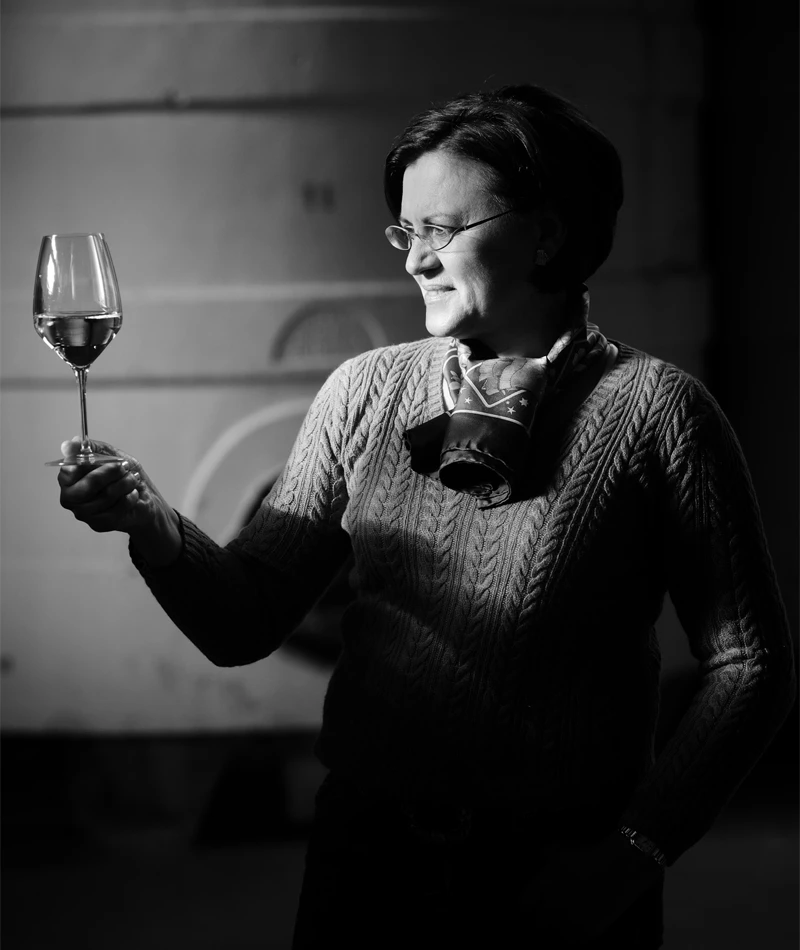
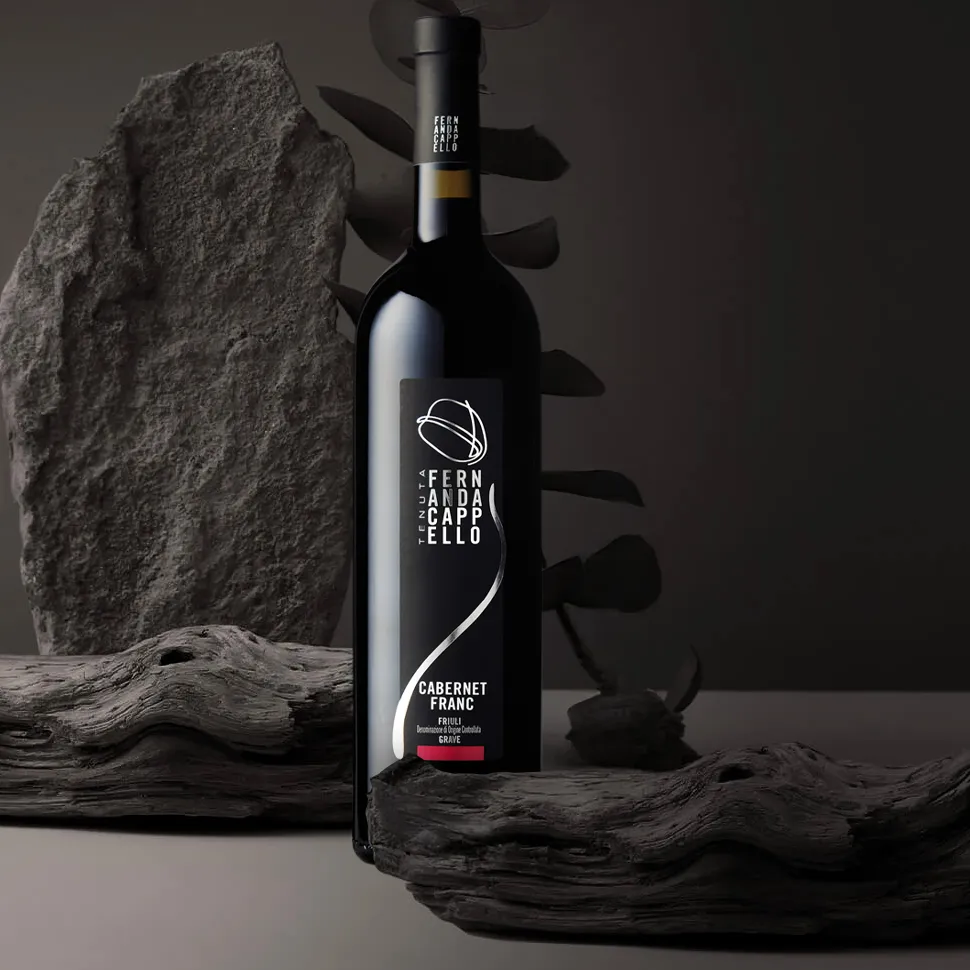
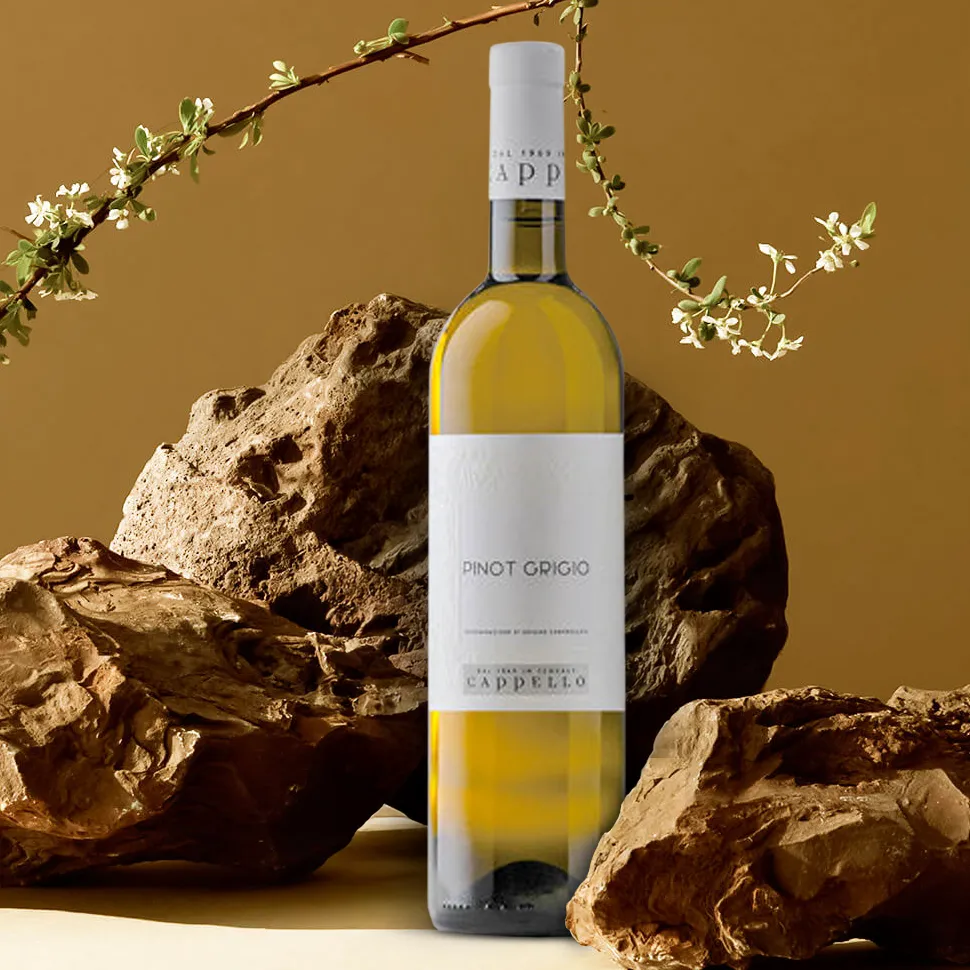
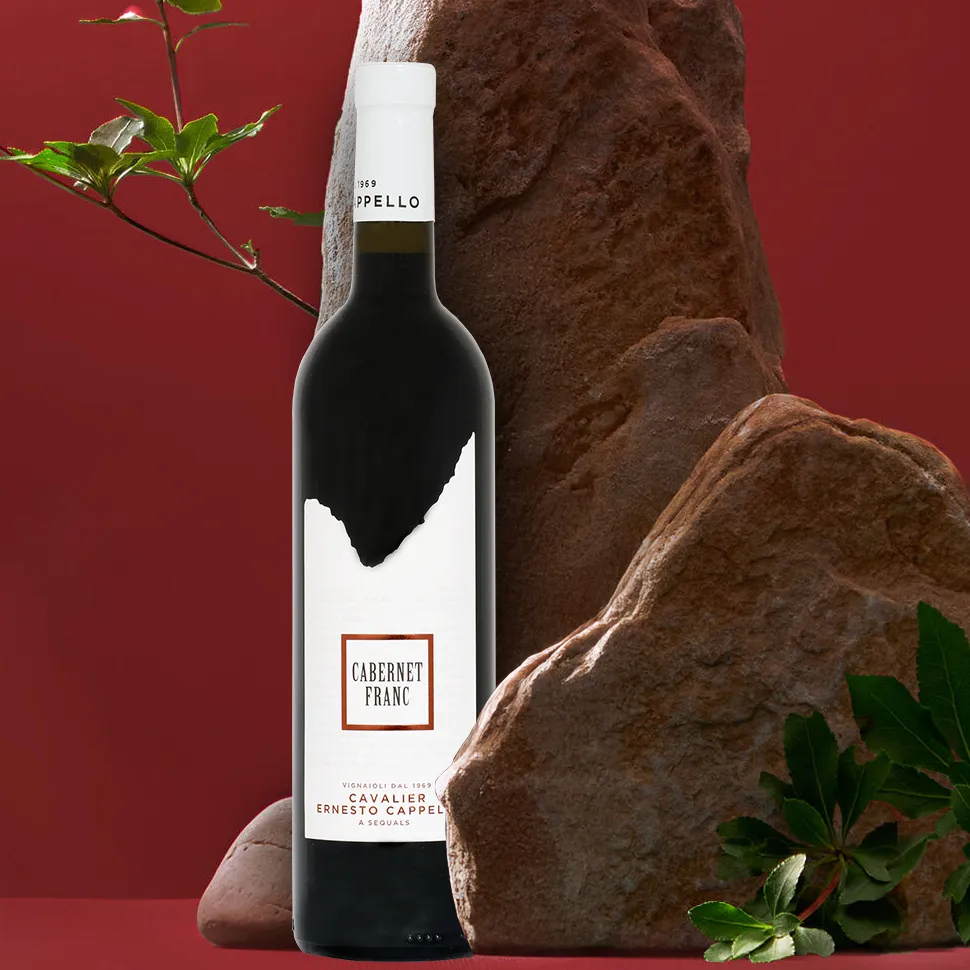
Fernanda Cappello, an architect, fascinated and in love with such a particular and rugged territory, embraced the challenge with enthusiasm to fully dedicate herself to the winemaking activity. The passion, competence, and professionalism matured day by day, together with the indispensable contribution of experts and motivated collaborators proud of their work, are the lifeblood to energetically manage the 130 hectares of vineyard and to create wines with a pleasant and recognizable bouquet, also identified by the DOC brand.
AMONG THE STONES OF A LAND THAT AWAKENS THE SENSES
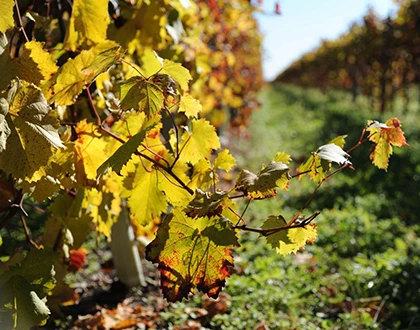
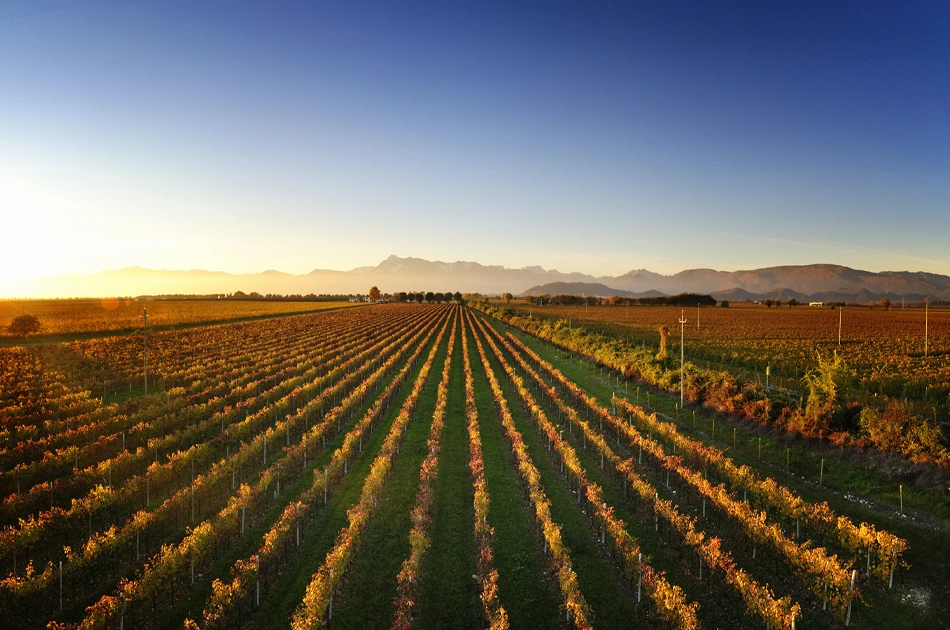
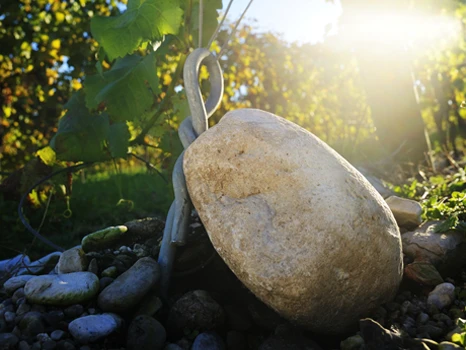
At the foot of the Friulian hills, in Sequals, protected by the calm and imposing Alps, on an alluvial, poor, skeletal terrain made of limestone-dolomitic stones, the Fernanda Cappello Vineyards mature. A territory that ennobles and characterizes its fruits thanks to two natural allies: the alpine breeze from the Val Tramontina, which caresses and ventilates the vineyards, creating a dry microclimate that allows the harvest of healthy grapes, even though rains fall abundantly throughout the year. And the stones, so omnipresent on the surface of the vineyards, are precious for the soil's minerality.
IN THE HEART OF THE DOC FRIULI GRAVE: A TREASURE OF HISTORY, NATURE, AND TRADITION
The area of Tenuta Fernanda Cappello is located north of the Doc Friuli Grave: it is a zone particularly suited for the quality of wines where the alluvial soils and the morainic hills, between Lestans and Sequals, can be compared to the "graves" of Bordeaux. It is a treasure chest of history, natural beauty, traditions, culture, and social and economic activities, containing one of the most genuine heritages, still to be discovered and, at the same time, to be preserved.
It can be considered the quintessential native grape variety of Friuli Venezia Giulia. It is the oldest, boasting over 700 years of history. Ribolla owes the origin of its name to a distinctive characteristic: in the past, the high malic acid content of its musts caused the wine to “reboil” after primary fermentation had finished, due to secondary “malolactic” fermentation.
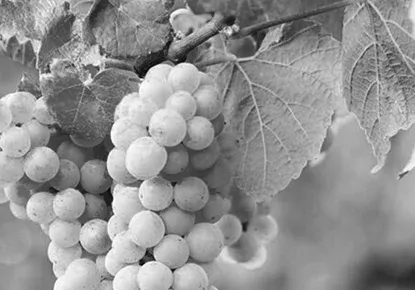
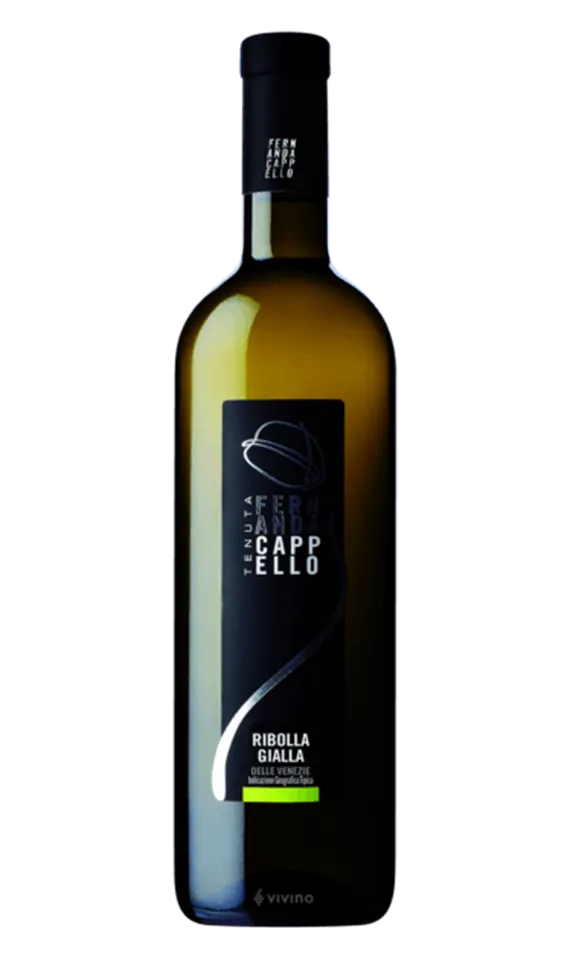
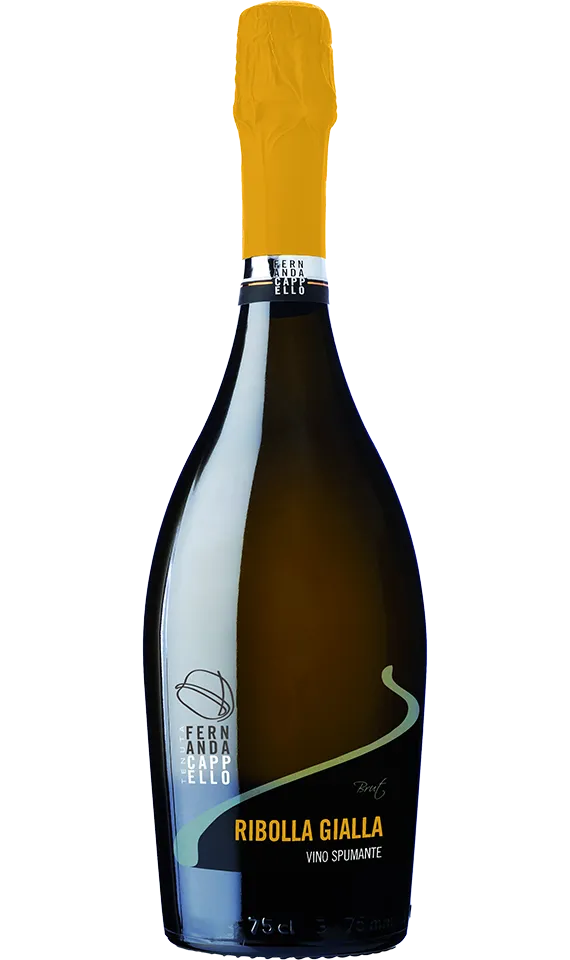
It can be considered the quintessential native grape variety of Friuli Venezia Giulia. It is the oldest, boasting over 700 years of history. Ribolla owes the origin of its name to a peculiar characteristic: in the past, the high malic acid content of its musts caused the wine, after completing primary fermentation, to begin “reboiling” due to a secondary “malolactic” fermentation. In recent years, in Friuli Venezia Giulia, it has been discovered that Ribolla, thanks to its distinctive aromas and acidity, has the characteristics to become an excellent sparkling wine.
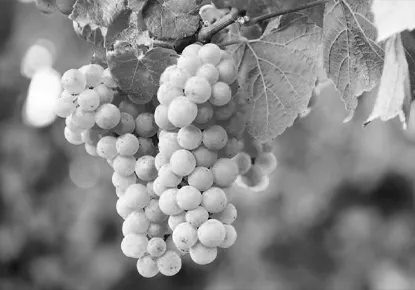
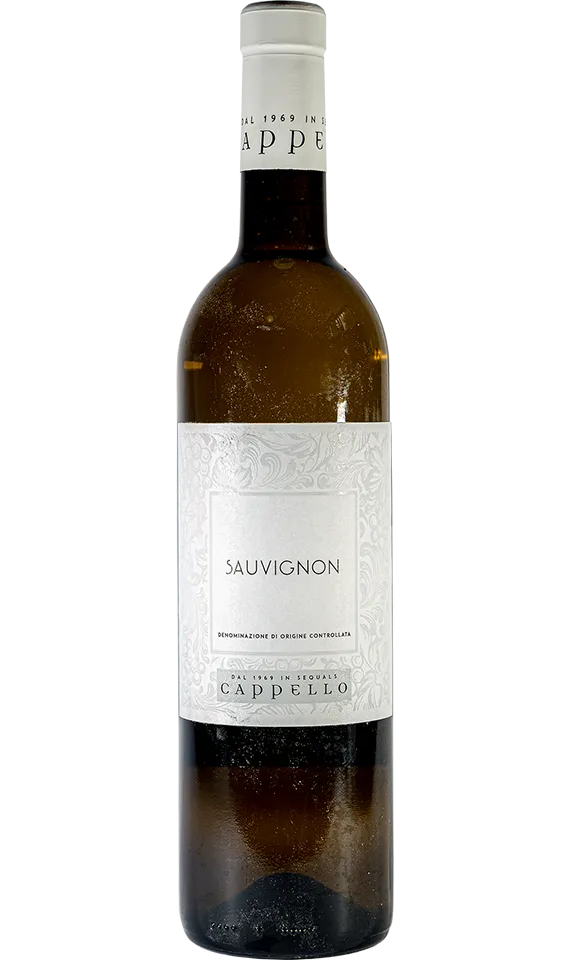
Sauvignon Blanc grapes originate from southwestern France, in the Loire and Bordeaux regions, and they are also a component of the famous dessert wine Sauternes-Barsac. Its name comes from the French words “sauvage” (wild) and “blanc” (white), referring to its origins as a native white grape variety. Today, it is one of the most widely grown wines in the world, cultivated in France, Chile, Australia, New Zealand, Canada, South Africa, Italy, and California. Depending on the soil type and different climatic conditions, it produces wines with distinct and perceptibly different organoleptic characteristics.
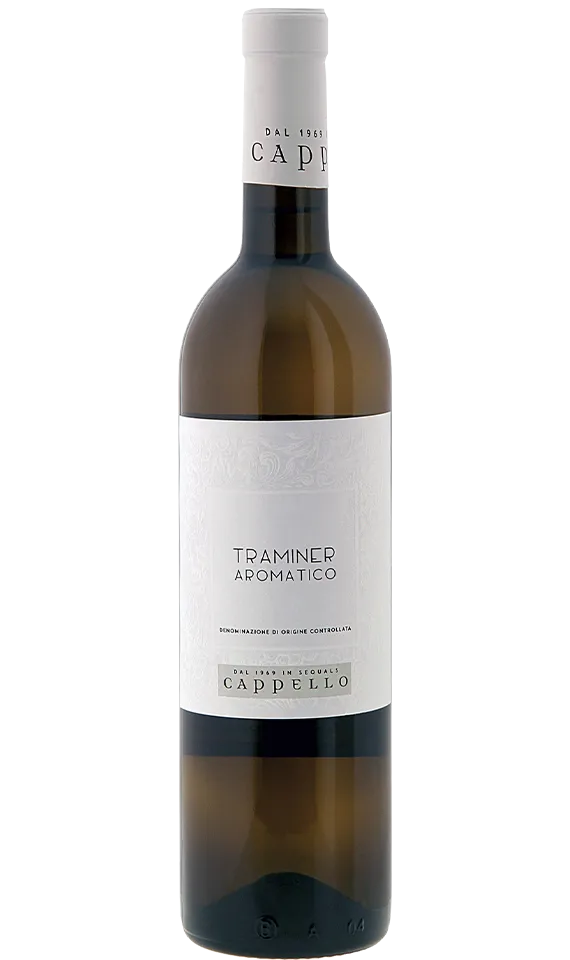
Friuli has always been a land of conquests and dominations. Certainly, one of the longest-lasting and most historically significant was the Habsburg rule, under which Friuli experienced decisive development in agriculture and winemaking. Traminer, a grape variety of Austro-German origin, was introduced to Friuli during the Austrian domination. It spread widely both in the hills and in the plains, thanks also to the vine’s natural resistance to diseases and the quality of the wine it produces.
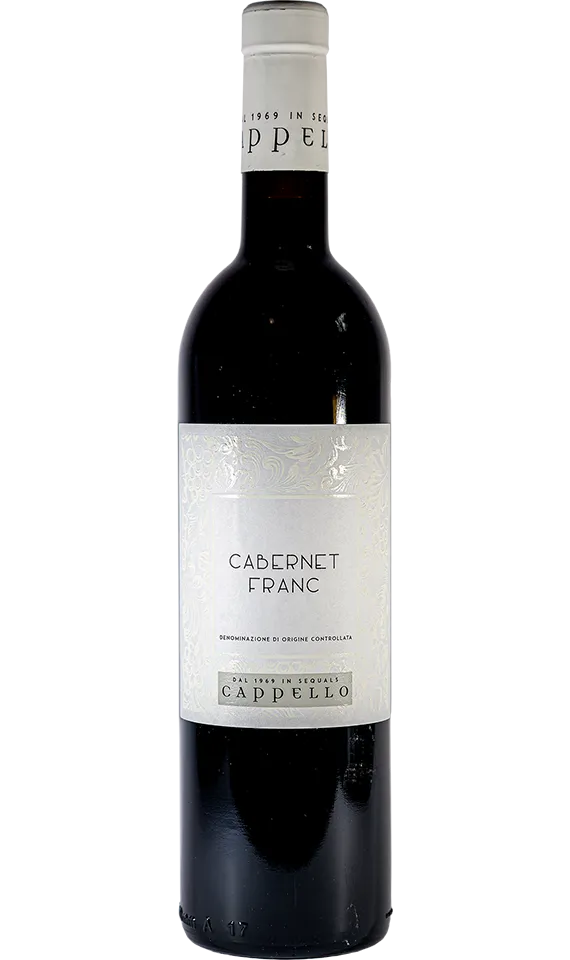
A noble grape variety of French origin, its fame is tied to the history of the great wines of Bordeaux, where it is blended with Cabernet Sauvignon and Merlot. In Friuli, this grape—rooted in the region since the time of Napoleon—has been enhanced by its varietal characteristics and the soil and climate conditions of our land, establishing itself as a wine in its own right: independent, with unique features within the global Cabernet Franc landscape.
Sourced from the most suitable soils and from the estate’s least productive vineyards, some of which are up to 40 years old, with meticulous attention in the cellar. Produced as single-varietal wines to respect the typicity of each grape, with no regard for costs and with a strong focus on quality.
Excellent wines to enjoy by the glass, offering outstanding value for money; typically produced from vineyards between 5 and 20 years old, with attention to quality as well as to costs.
Excellent wines to enjoy by the glass, offering outstanding value for money; typically produced from vineyards between 5 and 20 years old, with attention to quality as well as to costs.
Tenuta Fernanda Cappello in the GAMBERO ROSSO GUIDE 2026.
APRIL 2025
Tenuta Fernanda Cappello at Vinitaly 2025
Tenuta Fernanda Cappello invites you to immerse yourself in the magic of Vinitaly 2025, the largest international event dedicated to the world of wine, taking place in Verona from April 6th to 9th.
NOVEMBER 2023
I VINI DI VERONELLI 2024
Also this year we are present in the I VINI DI VERONELLI 2024 guide, and there is no shortage of excellent awards for our wines.
NOVEMBER 2023
GAMBERO ROSSO 2024
Tenuta Fernanda Cappello in Gambero Rosso's wine book 2024.
OCTOBER 2023
LUCA MARONI 23
It is with immense gratitude that we receive another important award for our wines.
APRIL 2023
Tenuta Fernanda Cappello al Vinitaly 2023
Tenuta Fernanda Cappello sarà al Vinitaly di Verona dal 2 al 5 Aprile.
DECEMBER 2022
I Vini di Veronelli 2023
At the first appearance in the wine guide I VINI DI VERONELLI 2023, the results are encorauging for Tenuta Fernanda Cappello!
NOVEMBER 2022
Gambero Rosso's wine book 2023
Tenuta Fernanda Cappello in Gambero Rosso's wine book 2023.